
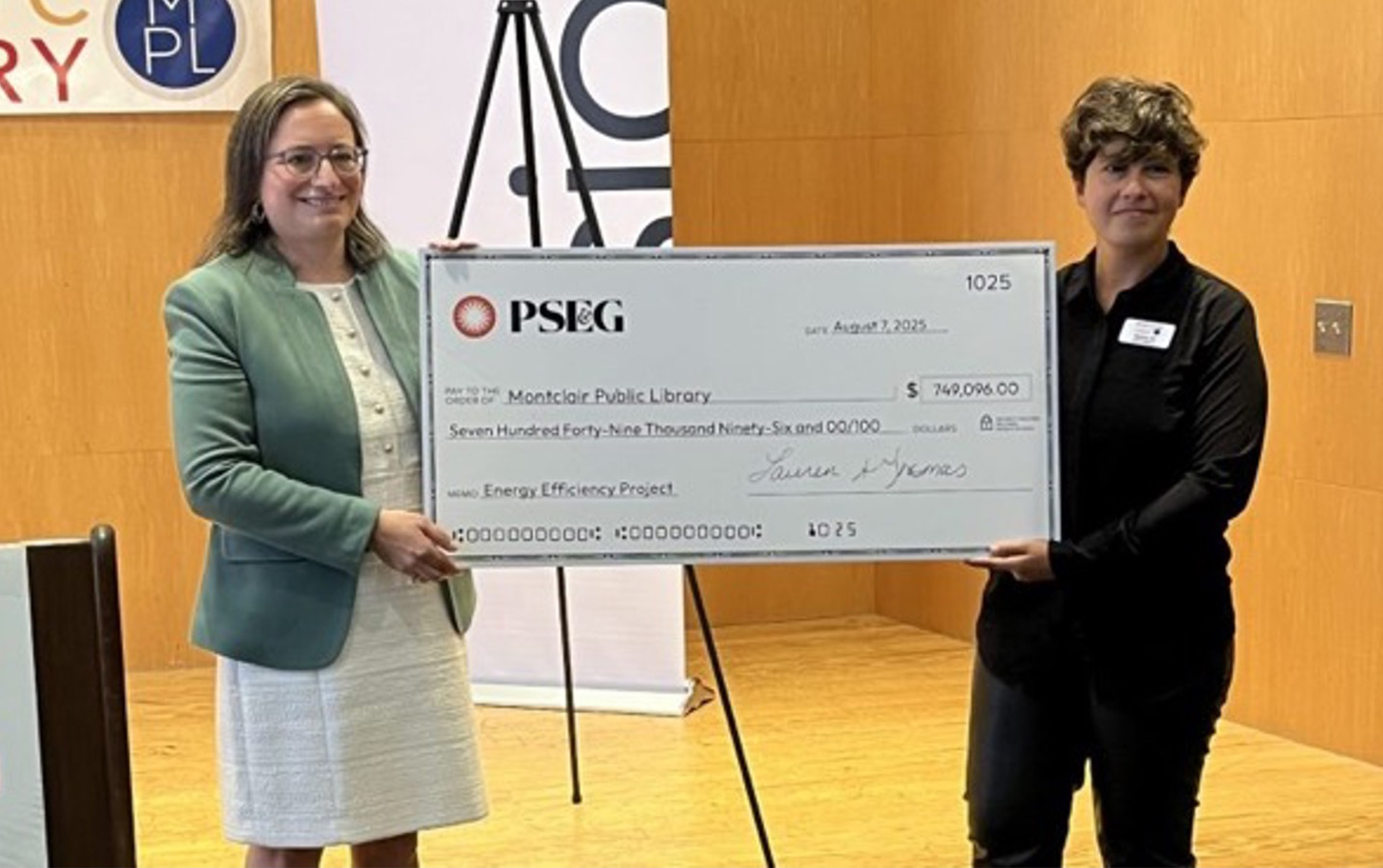
The goal was to modernize the facility with a focus on improving system reliability, enhancing occupant comfort, and supporting uninterrupted operations during peak seasons. A key priority was to reduce long-term maintenance demands while advancing sustainability goals through significant energy savings. The project also aimed to leverage available incentive programs and financing options to make the upgrades financially accessible without compromising on quality or performance.
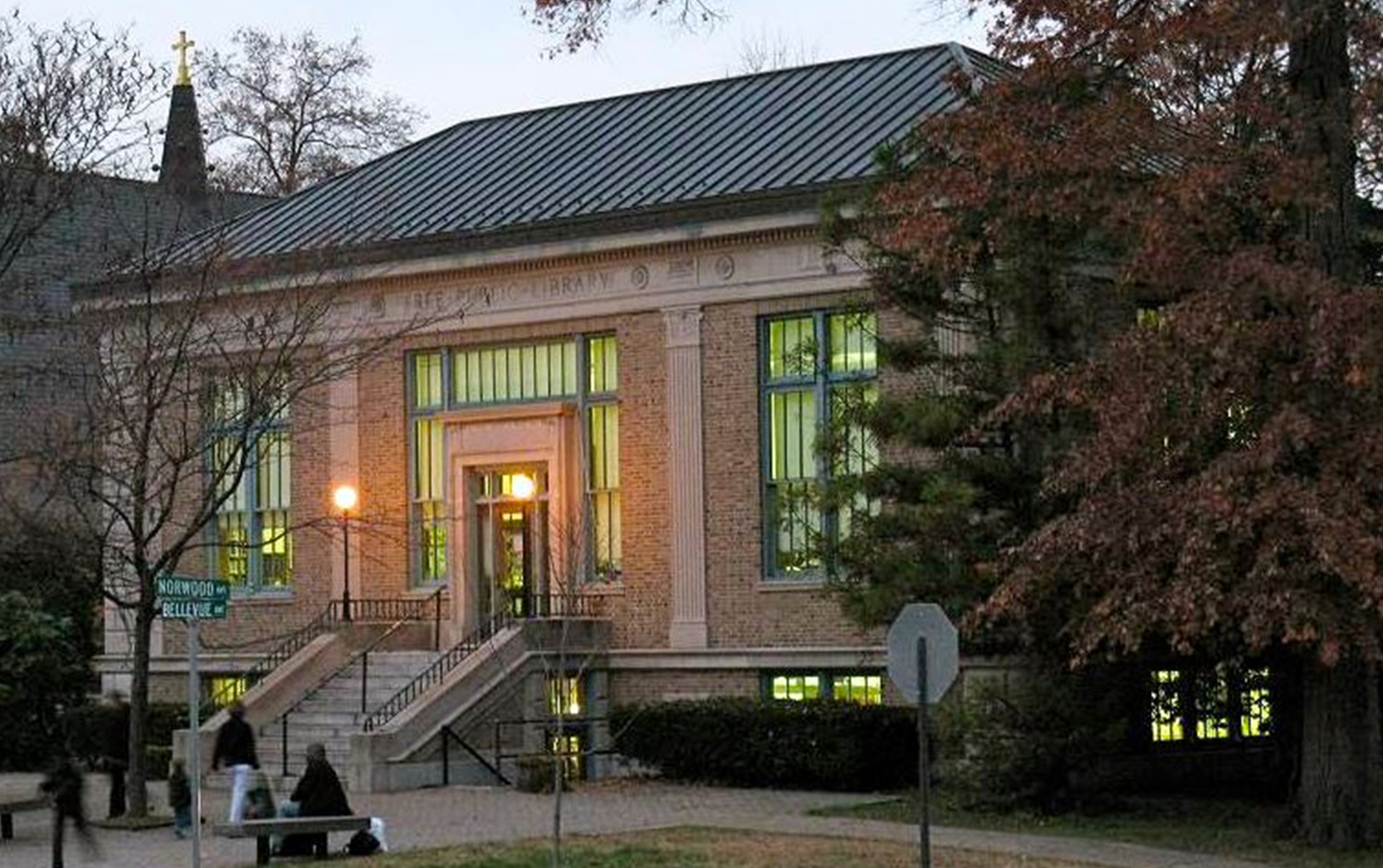
A phased approach was implemented, utilizing Direct Install, Advanced Custom, and Energy Management programs to systematically upgrade the facility. By replacing aging equipment with modern, high-efficiency systems, the project improved overall performance while minimizing disruptions during implementation. The strategy also incorporated incentive funding and 0% interest On-Bill Repayment (OBR) financing over five years, allowing the facility to manage costs effectively while completing critical upgrades.
The project focused on replacing outdated mechanical and HVAC systems to improve reliability and ensure consistent performance, particularly during peak summer conditions. Through a phased implementation strategy, upgrades were completed using a combination of Direct Install, Advanced Custom, and Energy Management programs. These improvements enhanced occupant comfort, supported uninterrupted library operations, and reduced the frequency of maintenance issues and system failures.
The total project cost was $1.9 million, with 40% ($760,000) covered through incentives, resulting in a net payable of $1.14 million financed at 0% interest over five years through On-Bill Repayment. The upgrades significantly improved system reliability, minimized operational disruptions, and advanced sustainability goals, delivering estimated lifetime energy savings of approximately 2,850,000 MWh and 176,502 therms.
A phased approach to building upgrades involves completing improvements in stages rather than all at once. This strategy helps minimize operational disruptions, spreads out costs over time, and allows facilities to prioritize critical upgrades while continuing normal operations.
Energy efficiency upgrades often include replacing outdated mechanical systems with modern, high-performance equipment. These improvements reduce the likelihood of system failures, lower maintenance demands, and ensure consistent performance—especially during peak usage periods.
Many energy improvement projects can leverage incentive programs, rebates, and financing options such as on-bill repayment. These solutions help reduce upfront costs and allow organizations to pay for upgrades over time, making large-scale improvements more financially manageable.

Transform your facility’s efficiency and sustainability.
