
The vision was to transform the facility into a high-performance, energy-efficient building capable of meeting modern sustainability standards. This included decarbonizing operations, improving indoor air quality, and reducing overall energy consumption. A key objective was to prepare the building for ENERGY STAR benchmarking eligibility while implementing smart technologies that would optimize performance and reduce long-term operating costs. The project aimed to create a fully integrated system where mechanical, lighting, and control upgrades worked seamlessly together.
Tri-State Energy led the project by providing engineering auditing, system design, and construction management services. The approach centered on modernizing the geothermal system, enhancing ventilation, and integrating smart building technologies. By replacing outdated equipment with high-efficiency systems and optimizing existing infrastructure, the team significantly improved overall performance. The project also incorporated advanced controls and lighting upgrades to further drive efficiency. Financial feasibility was supported through participation in JCP&L’s Engineered Solutions Program, which helped offset costs and enabled a more comprehensive scope of work.
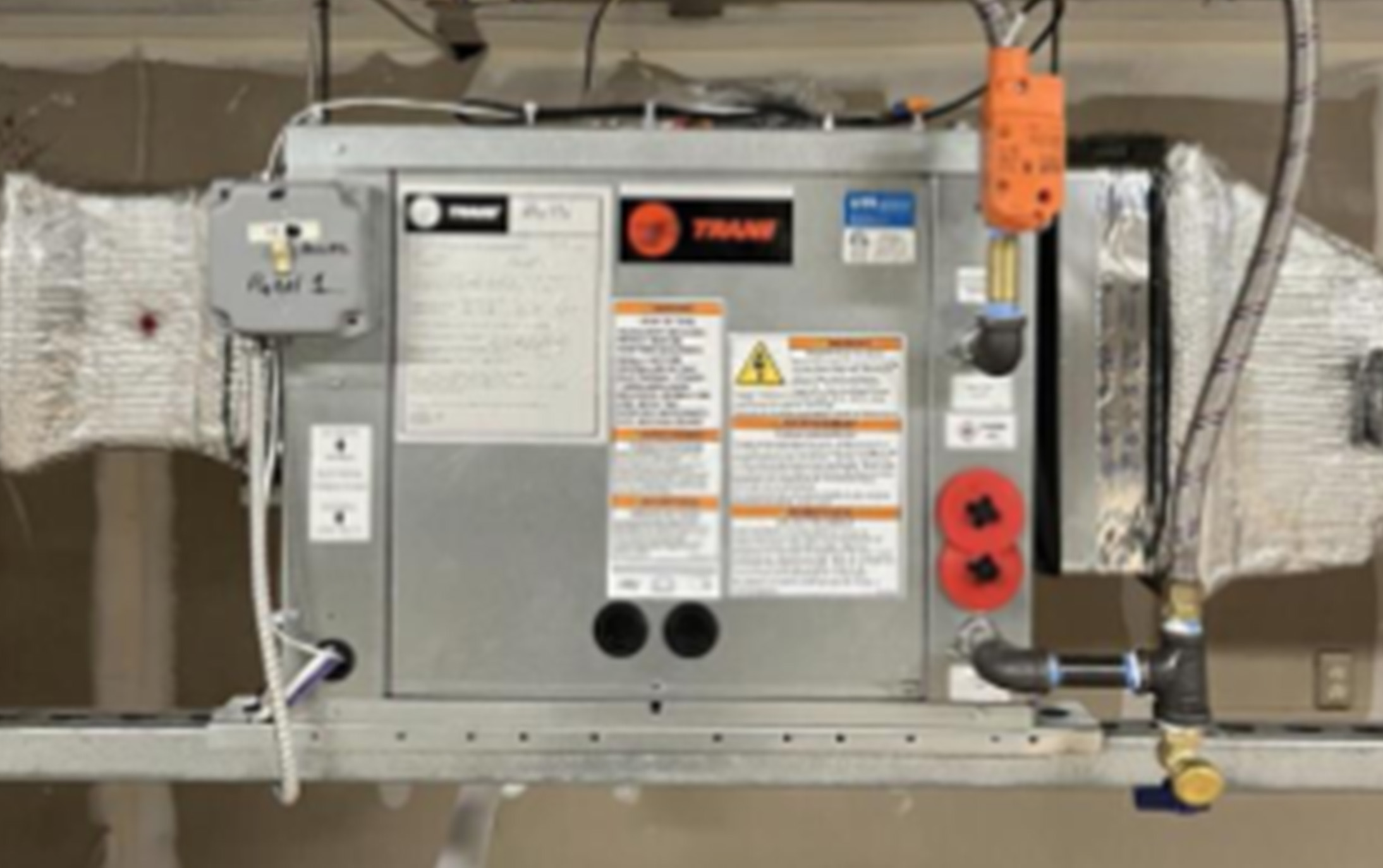
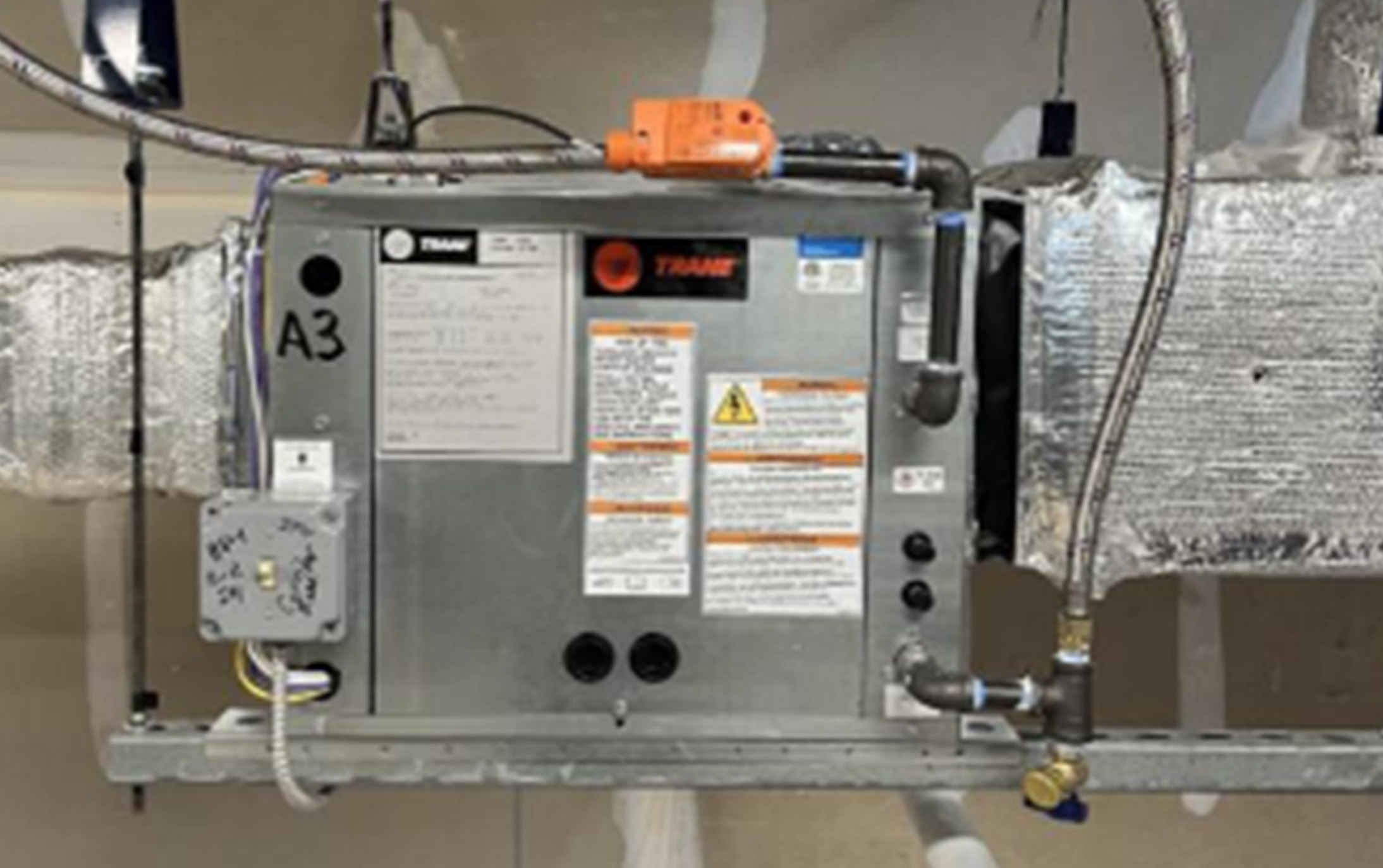
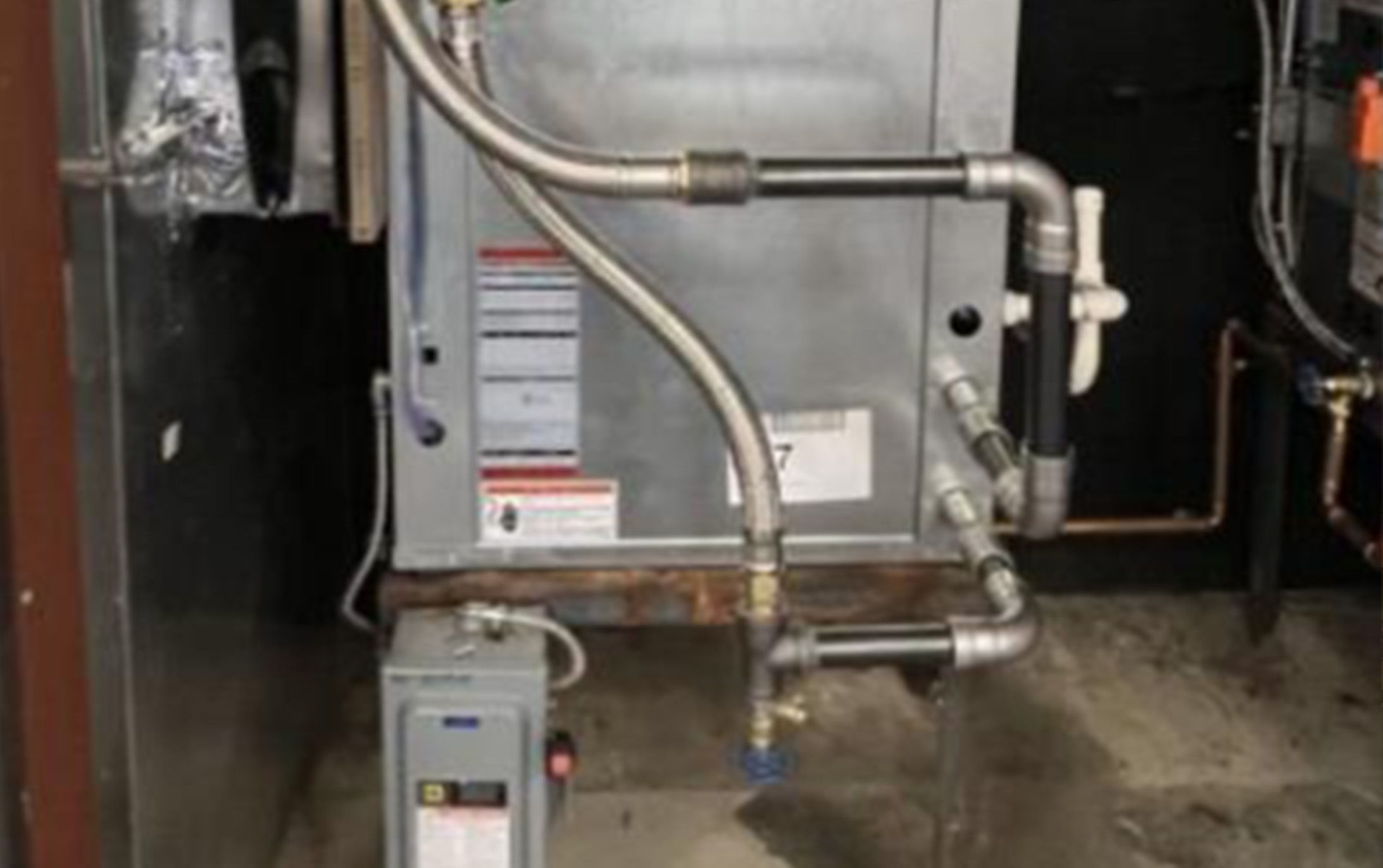
The project included a full-scale geothermal modernization, replacing 115 aging water-source heat pumps with high-efficiency units, along with reconnection and optimization of existing geothermal supply and return loops to improve system performance. Indoor air quality was enhanced through the installation of 11 energy recovery ventilators (ERVs), providing increased ventilation while minimizing energy loss. A comprehensive lighting retrofit upgraded 483 fixtures to modern LED technology, reducing energy consumption and maintenance needs. Smart building controls were implemented to automate system management and optimize performance in real time, while targeted improvements to the building envelope helped reduce thermal bridging and air leakage.
The total project cost was $4,182,469.95, with a customer contribution of $3,203,055.73 and $979,414.22 secured through incentives. The upgrades resulted in annual electric savings of 722,500 kWh, significantly reducing energy consumption while supporting the building’s decarbonization goals. The project also positioned the facility for ENERGY STAR eligibility, improved overall system performance, and created a more sustainable, future-ready building.
An energy retrofit involves upgrading existing building systems—such as HVAC, lighting, and controls—to improve efficiency and performance. For older buildings, retrofits are essential to reduce energy consumption, lower operating costs, and meet modern sustainability standards without requiring full reconstruction.
Modern HVAC systems are designed to use energy more efficiently and reduce reliance on fossil fuels. By incorporating advanced technologies like high-efficiency heat pumps, energy recovery systems, and smart controls, buildings can significantly lower their carbon footprint while maintaining optimal indoor comfort.
Planning a large-scale energy upgrade requires evaluating system compatibility, upfront costs, long-term savings, and available incentives. Successful projects also depend on coordinating multiple building systems—such as HVAC, lighting, and building envelope improvements—to ensure they work together efficiently and deliver maximum performance gains.

Transform your facility’s efficiency and sustainability.
